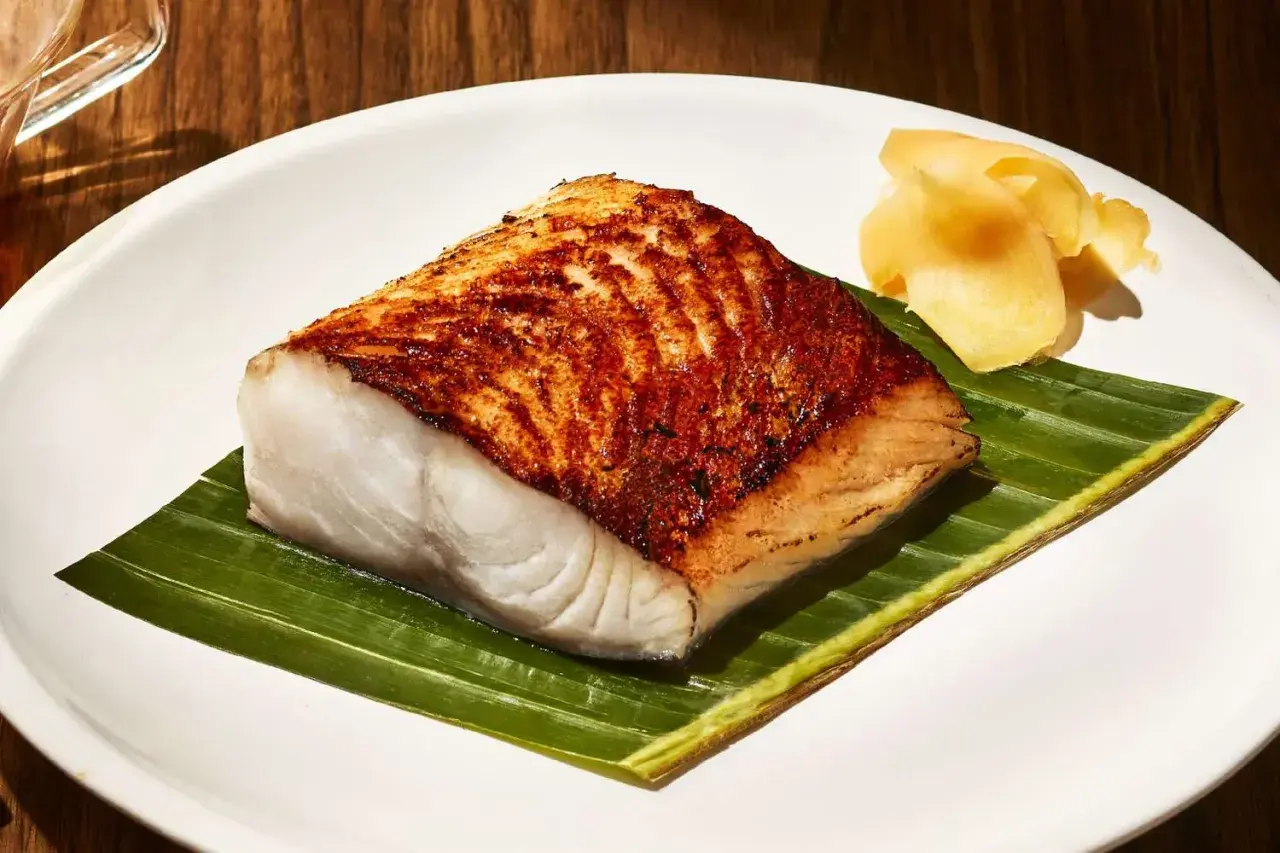
What matters most for restaurant-style black cod at home
- Use black cod, also called sablefish, because the high fat content is what gives the dish its soft, glossy texture.
- Give the marinade time; 24 to 48 hours is the sweet spot for most home kitchens, and 72 hours gives a deeper cure.
- Scrape off the excess marinade before cooking so the surface caramelises instead of burning.
- Keep the sides simple with rice, greens, and one sharp pickle or salad element.
- Do not replace it with standard cod if you want the same buttery result.
Why the flavour works so well
I think the appeal is less about a complicated sauce and more about balance. The miso brings depth and salt, mirin adds gloss and gentle sweetness, sake softens the edges, and sugar helps the fish lacquer under high heat.
Black cod itself matters just as much. It is really sablefish, not true cod, and its fat content keeps the flesh moist while the marinade works in the fridge. That is why the dish can be cured for a long time without turning dry the way leaner fish often would.
When it hits strong heat, the sugars and amino acids browning on the surface create that deep, caramelised finish chefs call the Maillard reaction, which is just a technical way of saying the crust tastes more complex than the raw marinade would suggest. Once you understand that, shopping becomes much easier, because the ingredient choices stop being mysterious and start being strategic. That also explains why the fish you buy matters so much, which is where the UK shopping list comes in.
What to buy in the UK and how to swap intelligently
For a home version, I keep the ingredient list short and specific:
| Ingredient | What it does | UK-friendly note |
|---|---|---|
| Black cod or sablefish | Creates the buttery texture the dish is known for | Ask a fishmonger or Japanese grocer for sablefish; frozen fillets are fine if thawed slowly in the fridge |
| White miso | Provides the savoury base and gentle umami | Look for shiro miso; I would avoid dark miso for a first attempt because it is stronger and less Nobu-like |
| Sake | Adds aroma and helps the marinade taste clean rather than heavy | Use cooking sake or a dry sake, not rice vinegar |
| Mirin | Gives sweetness and a glossy finish | Proper mirin is best, because it gives a cleaner glaze than a generic sweet seasoning |
| Caster sugar | Balances the miso and helps the surface caramelise | Light brown sugar will work in a pinch, but it changes the colour and makes the flavour a little deeper |
| Simple sides | Keep the plate fresh and balanced | Rice, bok choy, spinach, cucumber pickle, or pickled ginger are all good options |
If you cannot find black cod, salmon is the most sensible fallback because it still has enough fat to stay moist. Sea bass works too, but I would keep the marinade time shorter on both swaps and stop expecting the exact same texture. The more the fish drifts away from sablefish, the more the dish becomes a variation rather than a copy. Once the shopping is settled, the actual cooking is straightforward, and that is the section where most home cooks either nail it or lose the whole point.
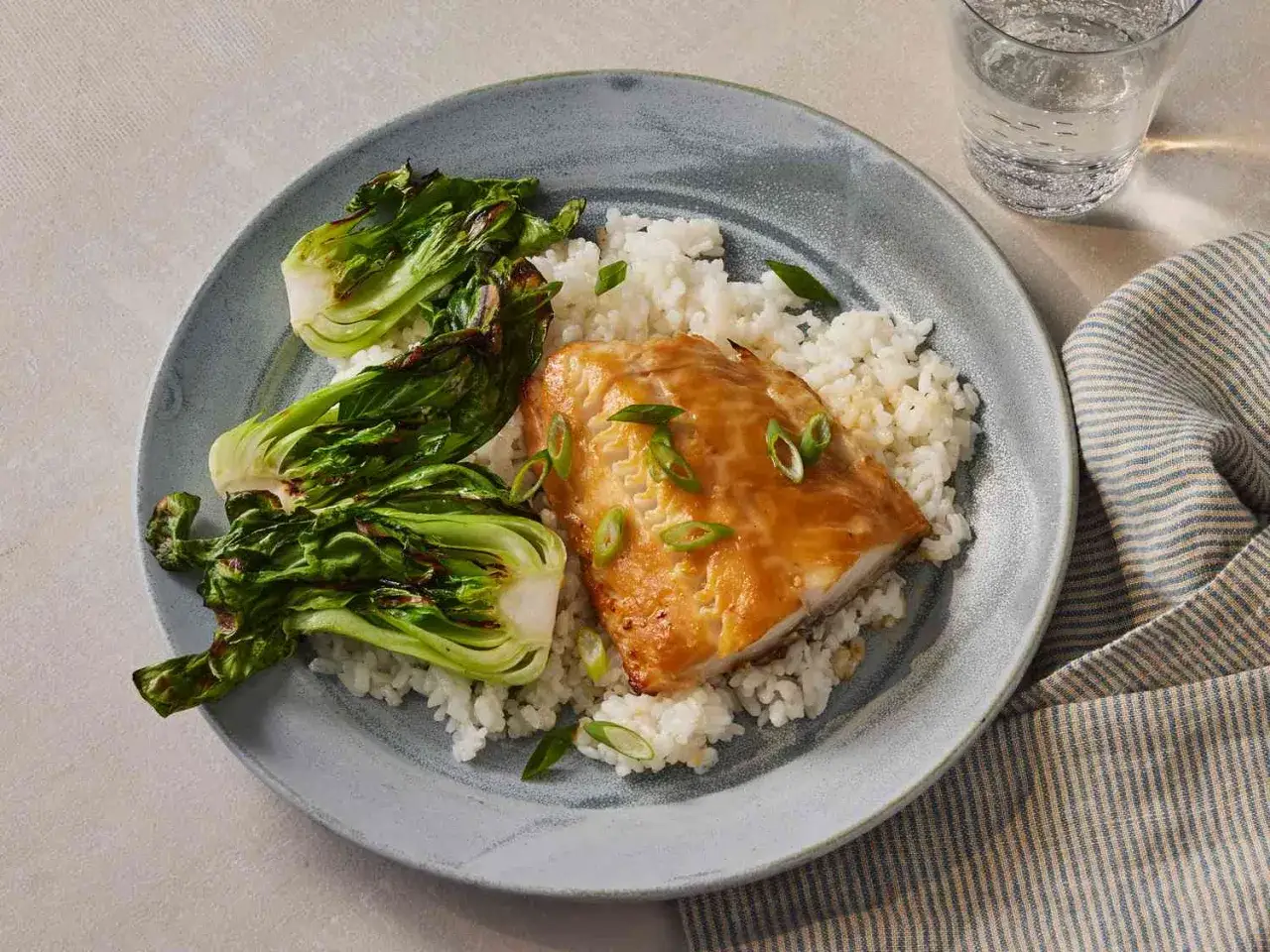
How I cook the fish for glossy edges and a soft centre
For 4 servings, I use 4 skin-on black cod fillets of about 150 to 170 g each, 60 ml sake, 60 ml mirin, 60 ml white miso, and 40 g caster sugar. I bring the sake and mirin to a boil for about 20 seconds, whisk in the miso and sugar, then cool the marinade completely before it touches the fish.
- Pat the fillets dry and put them in a snug dish or a zip-top bag.
- Pour over the cooled marinade, turning each fillet so every side is coated.
- Cover and refrigerate for 24 to 72 hours. If I want the deepest flavour, I go to 48 hours; if the fillets are thin, I stop earlier.
- When ready to cook, scrape off the excess marinade without rinsing the fish.
- Heat the oven grill to high, or heat the oven to 200°C if you prefer a sear-and-roast method. The fish needs aggressive heat to caramelise quickly.
- Cook until the surface is glossy and browned in spots and the flesh flakes at the thickest point, usually 6 to 8 minutes under a hot grill or about 8 to 10 minutes after a quick sear and oven finish.
I usually choose the oven-grill route for a weeknight because it is simple, but I like the sear-and-roast method when I want more control. Either way, the important detail is the same: the marinade should colour the surface, not sit there and burn. Once the fish is done, the question becomes what to plate around it so the sweetness does not dominate the whole meal.
What to serve with it when you want the meal to feel balanced
This dish is rich enough to anchor a dinner plate, so I keep the sides clean and quiet. For a Japanese-style meal, I usually build the plate the same way I would think about a simple bento: one main protein, one starchy base, one green element, and one sharp contrast.
- Steamed short-grain rice soaks up the glaze without competing with it.
- Blanched bok choy, spinach, or broccolini adds bitterness and crunch.
- Pickled ginger or quick cucumber pickles cut through the sweetness.
- A small bowl of miso soup makes the meal feel complete without making it heavy.
- If you are packing leftovers into a bento, keep the rice dry and add the fish in a separate compartment once it has cooled slightly.
I like the plate best when there is one clean, acidic note alongside the fish. Without that contrast, the glaze can feel sweeter than it should, and the next section is where I would look if the result ever tastes flat or burnt.
The mistakes I see most often
- Using lean cod. It cooks, but it does not give you the same silky texture.
- Skipping the marinade cool-down. Hot marinade starts to cook the surface and muddies the flavour.
- Leaving too much marinade on the fish. A thin film caramelises; a thick layer burns.
- Cooking at middling heat. The dish needs strong heat for colour and a clean finish.
- Marinating too briefly. Overnight is workable, but 24 to 48 hours gives the flavour more depth.
- Overcomplicating the sides. Creamy, rich, or heavily spiced accompaniments can drown out the fish.
My own rule is simple: treat the marinade like a light cure, not a sauce. That mindset prevents most failures, and it also helps when you want to plan the dish ahead of time, which is where the practical side of this recipe gets better than the restaurant version.
How to make it ahead without losing the texture
The good news is that this is one of those mains that rewards planning. The marinade can be mixed in advance and held chilled for several days, and the fish itself can sit in it for 24 to 72 hours depending on thickness and how intense you want the flavour.
If I am cooking for company, I usually marinate the fish the day before and cook it just before serving. If I am using leftovers, I reheat them gently in a 150 to 160°C oven for a few minutes rather than blasting them in the microwave. That keeps the edges from turning tough and protects the glossy surface that makes the dish special in the first place. For a next-day lunch, the fish also works flaked over rice with quick greens, which is one reason I think it fits so naturally into a bento-minded kitchen.
Handled this way, the recipe becomes less of a restaurant stunt and more of a dependable special-occasion main, which is exactly why it still deserves a place on a modern table.
Why this classic still earns a place on a modern dinner table
What keeps this dish relevant is not nostalgia; it is efficiency. A short ingredient list, a smart marinade, and disciplined heat management create something that tastes far more elaborate than it is. I find that useful in 2026, when most home cooks still want a main dish that feels generous without demanding a long sauce-making session.
If you remember only three things, make them these: buy the fattiest fish you can find, give the marinade time to work, and cook the fillets hot and fast so the surface turns lacquered before the centre dries out. Do that, and you will get the part people remember most: a glossy piece of fish that tastes sweet, savoury, and quietly luxurious at the same time.