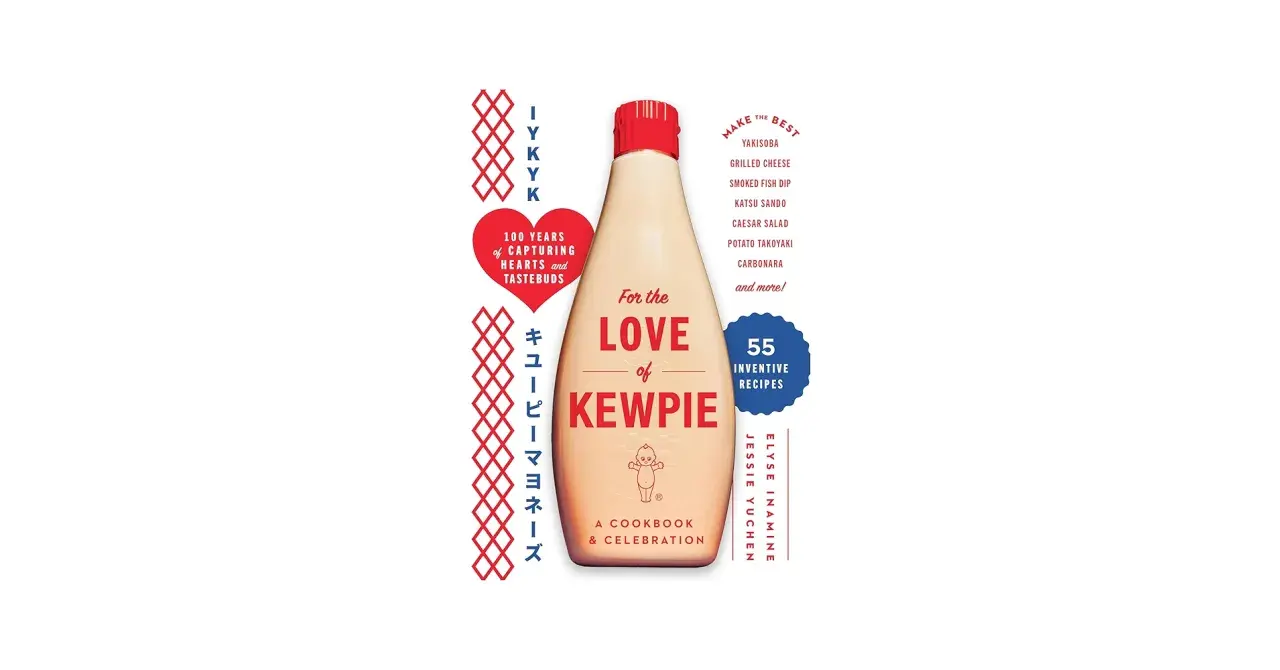
What matters most when you cook with Kewpie mayo
- Kewpie mayo is richer and more umami-forward than standard mayonnaise, so a little goes further.
- It works best in dishes that need moisture, savouriness, and a soft contrast to crunch or acid.
- Classic uses include okonomiyaki, potato salad, egg sandwiches, onigiri fillings, and quick drizzles for rice bowls.
- The easiest pantry partners are soy sauce, rice vinegar, eggs, cabbage, short-grain rice, nori, panko, and canned fish.
- For the cleanest flavour, I treat it as a finishing ingredient, binder, or dressing rather than a heavy cooking fat.
Why Kewpie mayo behaves differently in the kitchen
I think of Kewpie mayo as a flavour tool, not just a spread. Compared with standard mayonnaise, it brings a softer acidity, a fuller egg note, and a more obvious savoury edge, which is why it performs so well in Japanese home dishes. That difference matters: when a recipe needs richness without heaviness, Kewpie usually gives me more control than a blunt dollop of regular mayo.
It also changes how I season. Because the mayonnaise already carries depth, I often need less salt than I expect, and I can lean on acid or crunch to keep the final dish balanced. In practice, that makes it especially useful for bento cooking, where a filling has to stay tasty after sitting for a while rather than only tasting good straight from the pan.
| Feature | Kewpie mayo | Why it matters |
|---|---|---|
| Texture | Thicker, silkier, and more custardy | It clings well to rice, cabbage, potatoes, and bread |
| Flavour | Rich, gently tangy, savoury | It can replace part of the seasoning work in a dish |
| Best role | Dressing, binder, drizzle, finishing sauce | It shines when it is not overcooked or buried under too many flavours |
| Texture contrast needed | Usually high | It tastes best with crunch, acidity, or freshness alongside it |
Once I understand that role, choosing the right dish becomes much easier, because the strongest combinations all follow the same basic logic: richness plus texture plus something bright or savoury to keep it awake.
The first dishes I would make with it
When I want fast proof that a condiment is worth keeping, I start with dishes that are already forgiving. These are the ones I reach for first because they show exactly what Kewpie does well without requiring a long ingredient list or advanced technique.
| Dish | How Kewpie is used | Why it works |
|---|---|---|
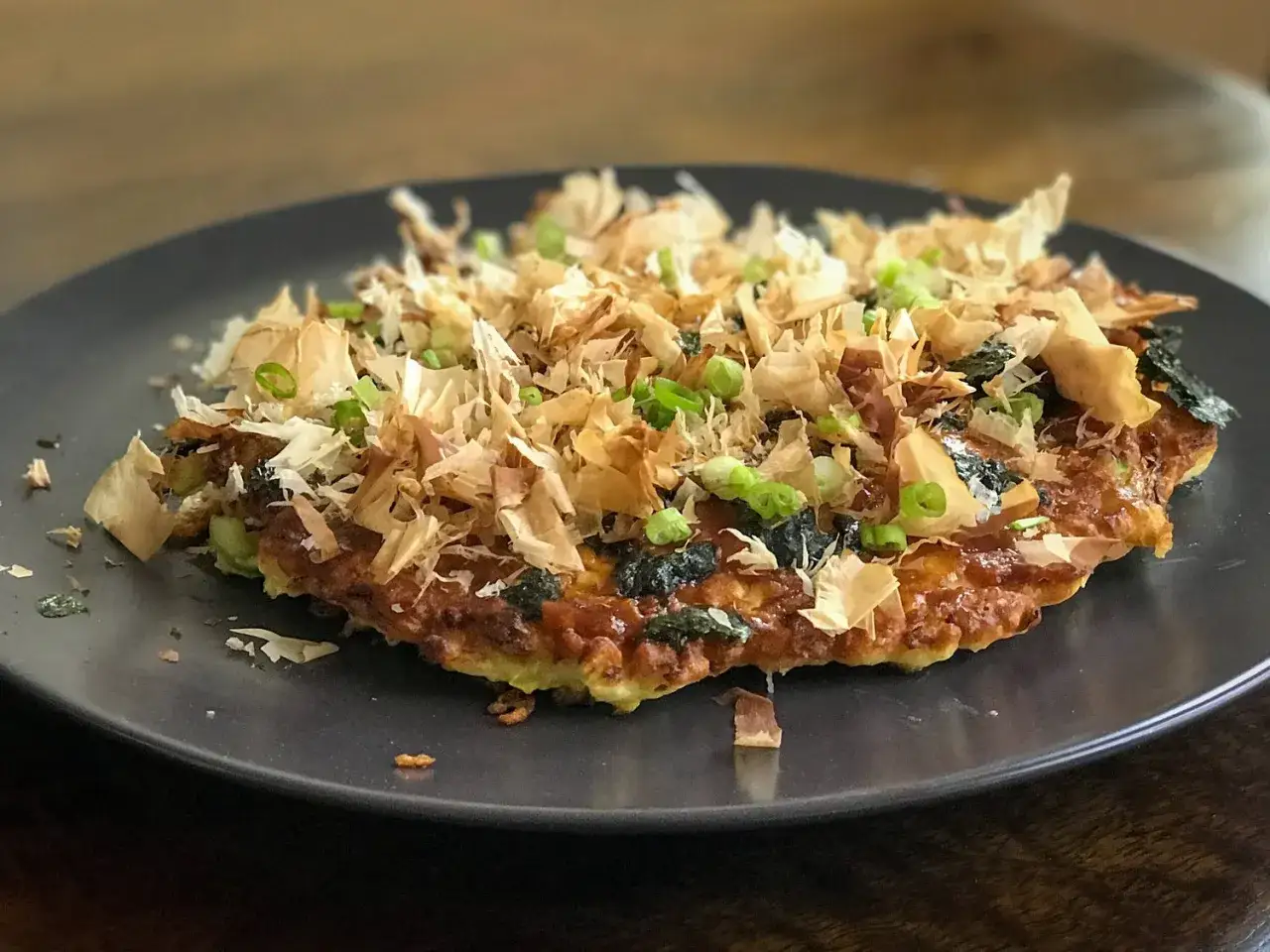
| Okonomiyaki | Drizzled over the finished pancake with sauce and bonito flakes | The mayonnaise softens the smoky-sweet sauce and gives each bite a creamy finish |
| Takoyaki | Used as a topping or zigzag drizzle | It balances the crispy exterior and the soft centre without making the dish feel heavy |
| Japanese potato salad | Mixed through warm potatoes with cucumber, egg, and sometimes ham | Kewpie turns an ordinary potato salad into something more savoury and distinctly Japanese |
| Tamago sando | Whisked into chopped egg filling for sandwiches | The mayonnaise binds the eggs into a smooth, plush filling that suits soft milk bread well |
| Tuna mayo onigiri | Mixed with drained tuna and a little soy sauce, then tucked into rice | This is one of the easiest bento fillings to get right because the mayo keeps the tuna moist and tasty |
| Katsu sando | Spread thinly on bread, usually with tonkatsu and shredded cabbage | It adds richness without fighting the crisp cutlet or the sweetness of the sauce |
| Roasted vegetables | Tossed lightly with potatoes, broccoli, or cauliflower before roasting | A small amount helps the vegetables brown and pick up seasoning more evenly |
| Rice bowls | Used as a finishing drizzle over salmon, chicken, or fried egg bowls | It bridges the gap between plain rice and the savoury toppings above it |
The important detail here is not the number of recipes. It is the pattern: Kewpie mayo performs best where there is already some structure in the dish, whether that comes from crisp cabbage, toasted bread, hot rice, or fried batter. Once you see that, the menu opens up quickly.
How I build quick sauces, spreads, and dressings
For weeknight cooking, I rarely use Kewpie on its own. I build small sauces around it, because that gives me more range and stops the flavour from feeling repetitive. The good news is that the ratios are easy to remember once you have used them a few times.
- For a simple sandwich spread: mix 2 tablespoons Kewpie mayo with 1 teaspoon rice vinegar and a pinch of black pepper. It is especially good on egg, chicken, or cucumber sandwiches.
- For a spicy drizzle: stir 2 tablespoons Kewpie with 1 to 2 teaspoons chilli sauce or sriracha. This works well on salmon bowls, fries, and roast vegetables.
- For a savoury dressing: whisk 2 tablespoons Kewpie with 1 teaspoon soy sauce and 1 teaspoon rice vinegar, then loosen with a teaspoon of water if needed. I use this on cabbage, shredded carrots, and cold noodle salads.
- For a sesame-style sauce: combine 1 tablespoon Kewpie with 1 teaspoon toasted sesame oil, 1 teaspoon soy sauce, and a sprinkle of sesame seeds. It gives a very useful bento-box flavour with almost no effort.
- For a richer vegetable dip: blend 1 tablespoon Kewpie with 1 teaspoon miso and a little water. That combination is stronger than plain mayo and works well with raw vegetables or steamed greens.
The main rule I follow is simple: Kewpie should round out the dish, not bury it. If the sauce starts to feel too thick or too rich, I add acid first, not more mayo, because acid sharpens the flavour without losing the creamy texture.
The pantry essentials that make these dishes repeatable
This is where Kewpie mayo really fits the idea of pantry essentials. It does not need a huge supporting cast. I can build a lot of reliable meals from a fairly small set of ingredients, and most of them are ordinary items I would expect to find in a UK kitchen or a basic Asian grocery run.
| Pantry item | Why I keep it with Kewpie | Best match |
|---|---|---|
| Short-grain rice | It gives you the sticky, compact texture that holds mayo-based fillings well | Onigiri, rice bowls, bento boxes |
| Eggs | They make the best mayo-friendly filling, topping, and binder | Tamago sando, egg salad, rice bowls |
| Soy sauce | It adds salt and depth without needing a lot of extra ingredients | Tuna mayo, dressings, sauces |
| Rice vinegar | It cuts the richness and keeps sauces bright | Dressings, sandwich spreads, potato salad |
| Nori | It brings sea-savouriness and a little texture | Onigiri, rice bowls, egg sandwiches |
| Cabbage | It adds crunch and freshness, which Kewpie really needs in many dishes | Okonomiyaki, katsu sando, slaws |
| Panko | It creates crispness and contrasts the mayo’s softness | Cutlets, baked toppings, crunchy finishes |
| Canned tuna or salmon | It gives you a fast protein that mixes cleanly with mayo | Onigiri, sandwiches, rice bowls |
| Sesame oil or sesame seeds | They add a toasted note that makes the whole dish feel more complete | Dressings, bowls, vegetable sides |
| Miso | It deepens the umami in sauces without making them salty in a flat way | Dips, spreads, vegetable dressings |
With those basics on hand, I can move from a breakfast egg sandwich to a lunch box onigiri or a quick cabbage topping for dinner without feeling like I am improvising from zero. That is the practical side of Kewpie: it rewards a small, sensible pantry rather than a huge one.
Where Kewpie mayo can disappoint and how I avoid it
Like most ingredients with a strong identity, Kewpie mayo works best when I respect its limits. The biggest mistake is treating it like a universal sauce that can fix every dish. It cannot. If the rest of the plate is already soft, rich, and salty, the mayo usually makes that problem worse rather than better.
- Using too much on hot food: the flavour can turn muddy. I add it at the end or off the heat whenever possible.
- Skipping acid: the dish tastes heavy. A little rice vinegar, lemon, or ponzu usually solves it.
- Forgetting crunch: the texture feels flat. I add cabbage, nori, sesame seeds, panko, or fresh cucumber.
- Over-salting: the mayo already brings seasoning. I taste before adding extra soy sauce or salt.
- Using watery fillings: the sauce loosens and slips off. I drain tuna, squeeze cucumber, and cool potatoes before mixing.
There is also a temperature issue worth keeping in mind. Kewpie is brilliant as a binder, topping, and dressing, but I do not push it into long, hard cooking the way I might with oil or butter. If I want it to matter in the final dish, I want it visible, tasted, and balanced, not cooked away.
The cupboard I’d keep for weeknight Kewpie cooking
If I were building a compact cupboard around this one ingredient, I would keep it deliberately small and practical. A bottle of Kewpie mayo, short-grain rice, eggs, soy sauce, rice vinegar, canned tuna, cabbage, nori, and panko already cover a surprising amount of ground. Add sesame oil or miso, and the range gets even wider without turning the pantry into a project.
That combination is enough for a week of genuinely useful meals: tuna mayo onigiri for lunch, egg sandwiches for breakfast, cabbage-heavy okonomiyaki for dinner, or a bowl of rice topped with salmon and a sharp mayo dressing when I need something fast. That is why I keep Kewpie in the cupboard rather than treating it as a novelty condiment; it makes simple food feel intentional, and it does that with very little effort.